
AI Washing Goes Criminal
Boardroom Governance Newsletter #71 | Dec 4, 2025


As we close out 2025, artificial intelligence remains the dominant narrative in venture capital and public markets. AI-focused startups raised over $161 billion in the first three quarters of this year,1 with valuations routinely justified by claims of revolutionary AI capabilities. Companies across every sector have rushed to rebrand themselves as “AI-powered,” while investors have competed to deploy capital into anything carrying the AI label. This environment creates powerful incentives for exaggeration, and as a watershed case from April 2025 demonstrates, federal prosecutors are now willing to meet those exaggerations with criminal charges. For boards navigating this AI funding cycle, understanding where aggressive marketing crosses into securities fraud has never been more critical.
“This type of deception not only victimizes innocent investors, it diverts capital from legitimate startups, makes investors skeptical of real breakthroughs, and ultimately impedes the progress of AI development.” Matthew Podolsky, Acting U.S. Attorney for the Southern District of New York
On April 9, 2025, federal prosecutors crossed a threshold that should concern every venture-backed company board: the SEC and Department of Justice filed parallel civil and criminal charges against Alberto Saniger Mantinan a/k/a Albert Saniger, founder and former CEO of Nate Inc., marking the first criminal AI washing prosecution under the Trump administration. The charges allege that Saniger raised over $42 million from investors, including prominent VC firms Coatue (which led an $8 million seed round in 2020), Renegade Partners (which led a $38 million Series A in June 2021), and Forerunner Ventures, by falsely claiming his mobile shopping app used sophisticated artificial intelligence, machine learning, and neural networks to automate e-commerce purchases. In reality, according to prosecutors, contract workers in the Philippines and Romania were manually completing the transactions.
The case represents more than another cautionary tale about founder fraud. It signals a new enforcement era where exaggerated AI claims can trigger not just SEC civil penalties, but criminal prosecution.
The Anatomy of AI Washing
Saniger founded Nate in 2018 with a compelling vision: a shopping app where users could “buy what you wish in a tap.” The New York-based startup distinguished itself through one defining feature: the purported ability to autonomously complete retail transactions across all e-commerce sites using proprietary AI technology. During fundraising rounds from spring 2019 through December 2022, Saniger repeatedly told investors that Nate’s app was “able to transact online without human intervention,” claiming automation rates between 93% and 97%.
According to the SEC’s complaint and DOJ indictment, the reality was starkly different. The app’s actual automation rate was “essentially zero percent.” While Saniger had acquired AI technology from a third party and hired data scientists to develop it, Nate’s AI never achieved the ability to consistently complete e-commerce purchases. Instead, the company relied heavily on teams of overseas workers to manually process transactions, precisely what users believed was being automated by AI.
The DOJ alleges Saniger took active steps to conceal this reality. He allegedly instructed employees to keep Nate’s automation rate secret, restricted access to the company’s “automation rate dashboard,” directed contract workers to remove any reference to Nate from their social media profiles, and prioritized test transactions for potential investors to create the illusion of functionality. When investigative journalism by The Information exposed the scheme in June 2022, Saniger was unable to secure additional funding. In January 2023, Saniger dissolved Nate through a State of California Assignment for the Benefit of Creditors, leaving investors with tens of millions in losses.
Not Just Startups: The Presto Automation Settlement
Three months before the Saniger indictment, the SEC settled its first AI washing case against a public company. On January 14, 2025, Presto Automation Inc., a restaurant technology company that had gone public through a SPAC merger, agreed to a cease-and-desist order for making materially false and misleading statements about its AI-powered drive-through ordering system, Presto Voice.
The SEC found that from November 2021 to September 2022, all commercially deployed Presto Voice units were powered by a third party’s AI technology, yet Presto repeatedly referred to it as “our technology” and “Presto’s technology” without disclosure. After developing its own proprietary version, Presto then claimed the technology “eliminated the need for human order taking”, while actually employing substantial numbers of human order-takers in the Philippines and India. Internal communications revealed executives knew the claims were misleading; one executive flagged in January 2023 that the company was “telling investors Presto AI is running 95%+ accuracy without disclosing AI is doing none of the work and all orders are processed by humans.”
Notably, the SEC’s order also cited Presto’s complete failure to maintain disclosure controls and procedures, the company “had no established process for drafting, reviewing, or approving periodic or current reports.” While the SEC imposed only a cease-and-desist order without civil penalties given Presto’s cooperation and financial condition, the case demonstrates that AI washing scrutiny extends beyond private fundraising to public company disclosures.
Beyond Securities Law: The FTC’s Multi-Front War on AI Washing
The SEC and DOJ are not alone in their AI washing crackdown. In September 2024, the Federal Trade Commission launched “Operation AI Comply,” a coordinated enforcement sweep targeting companies making deceptive AI claims or providing AI tools that enable consumer fraud. Significantly, the initiative has continued with full force under the Trump administration, demonstrating bipartisan consensus that AI deception threatens market integrity and consumer protection.
The FTC’s initial wave included five enforcement actions spanning diverse industries. DoNotPay, which marketed itself as “the world’s first robot lawyer,” agreed to pay $193,000 and cease making unsubstantiated claims after the FTC alleged the company never trained its technology on legal materials, never employed attorneys, and never tested whether its chatbot’s output matched human legal work.
The FTC also targeted Rytr, an AI writing assistant that could bulk-generate detailed product reviews based on minimal input. The agency alleged that Rytr’s service produced reviews containing specific material details unrelated to user prompts, which would almost certainly be false if published. The complaint charged that Rytr violated the FTC Act by furnishing subscribers with the means to create false and deceptive reviews, and separately alleged the company engaged in an unfair business practice by polluting the marketplace with fake review content.
Three additional cases (Ascend Ecom, Ecommerce Empire Builders, and FBA Machine) involved business opportunity schemes that allegedly defrauded consumers of over $40 million combined by falsely promising that AI-powered tools would generate substantial passive income through automated e-commerce operations.
In August 2025, the agency issued an order against Workado, a company that sold subscription services purporting to detect AI-generated content. The FTC prohibited Workado from making misleading claims about its product’s accuracy and required the company to notify customers that it “lacked proof for its claims about the accuracy rate” of its AI detection tools.
For VC-backed companies, the FTC’s enforcement creates exposure beyond securities fraud. Under Section 5 of the FTC Act, the agency has broad authority to prohibit “unfair or deceptive acts or practices” affecting commerce, a standard that does not require proof of investor harm or securities transactions. The FTC’s enforcement makes clear that companies must substantiate every AI-related claim, whether explicit or implicit, with violations resulting in multimillion-dollar penalties, compliance orders, and costly investigations. Boards should ensure management audits all marketing materials for AI claims, maintains documentation supporting each statement, and trains teams to use precise, substantiated language when discussing AI capabilities. Treat any mention of “AI” as a compliance red flag requiring proactive review before publication.
Private Litigation Adds Another Layer of Risk
Government enforcement represents only part of the exposure. Private securities litigation over AI claims is accelerating rapidly. The Stanford Securities Litigation Clearinghouse tracked 7 AI-related securities cases in 2023, 15 in 2024, and 12 in 2025 to date. These shareholder suits typically follow a familiar pattern: stock price declines after AI capabilities prove less robust than marketed, followed by securities fraud claims alleging material misstatements.
For boards, the proliferation of shareholder litigation creates exposure beyond regulatory penalties. Defense costs alone can run into millions of dollars, and settlements or adverse judgments can be costly. Directors face the prospect of multi-front litigation: parallel federal and state regulatory enforcement proceedings, securities fraud class actions by shareholders claiming stock losses from AI misrepresentations, and derivative suits alleging directors failed in their oversight duties, all stemming from the same exaggerated AI claims.
Questions for Your Next Board Meeting
If your portfolio company makes material AI claims in investor presentations, SEC filings, or marketing materials, consider asking:
What process exists to verify AI capabilities before they’re communicated externally?
Who on the technical team is responsible for ensuring accuracy of AI-related statements?
How do we define terms like “automation rate” or “AI-powered,” and are those definitions consistently applied?
What human involvement exists in systems described as “automated” or “AI-driven”?
When did we last audit our AI claims against actual system performance?
The SEC has made clear that “innovators who seek to revolutionize and disrupt an industry must tell investors the truth about what their technology can do today, not just what they hope it might do someday.”2 With enforcement now spanning the SEC, DOJ, FTC, plus state regulators, and private litigation, boards of AI-driven companies face scrutiny from multiple angles simultaneously. Exaggerated AI claims can trigger parallel criminal prosecution, civil enforcement actions and shareholder litigation, each carrying significant exposure. The moment demands active governance and independent verification of AI capabilities, not passive acceptance of management’s technological assurances.
For insights on venture-backed company governance and more, check out the BoardProspects Ask the Experts Webinar Q&A where I participated alongside Beverly Behan, Jocelyn Mangan, Brad Feld, and Dottie Schindlinger:
Boardroom Governance Podcast 🎙️
Check out my latest episodes:
E192 Erik Lie: Catching Cheats, Fraud Detection, and the Board’s Evolving Role. Erik is a Professor of Finance at the Tippie College of Business at the University of Iowa. His new book, Catching Cheats: Everyday Forensics to Unmask Business Fraud, offers a compelling look at how forensic economics and data-driven analysis can help identify wrongdoing that remains hidden in plain sight. We talk about a broad range of governance and fraud-related issues, beginning with the challenges of private-market data, the evolving responsibilities of directors in fraud detection, and real-world lessons from the Bernie Madoff case and other historic white-collar scandals.
E191 Sue Siegel: Innovation, Life Sciences, and Governance in a Changing World. Sue is a highly accomplished executive, investor, and board member who has been at the forefront of innovation across life sciences, healthcare, and technology for more than three decades. She currently serves on the boards of Illumina, Align Technology, Nevro, The Engine (built by MIT), and the Kaiser Family Foundation, and has served on more than twenty boards over the course of her career.
You can listen to all the Boardroom Governance Podcast episodes in your favorite apps including Apple and Spotify.
If you like this show, please add your rating and review on Apple Podcast. It will help others find the podcast 🙏
If you and/or your organization is interested to sponsor the podcast, please do not hesitate to reach out to me!
The podcast is sponsored by The American College of Governance Counsel.
Other Relevant Corporate Governance News and Content
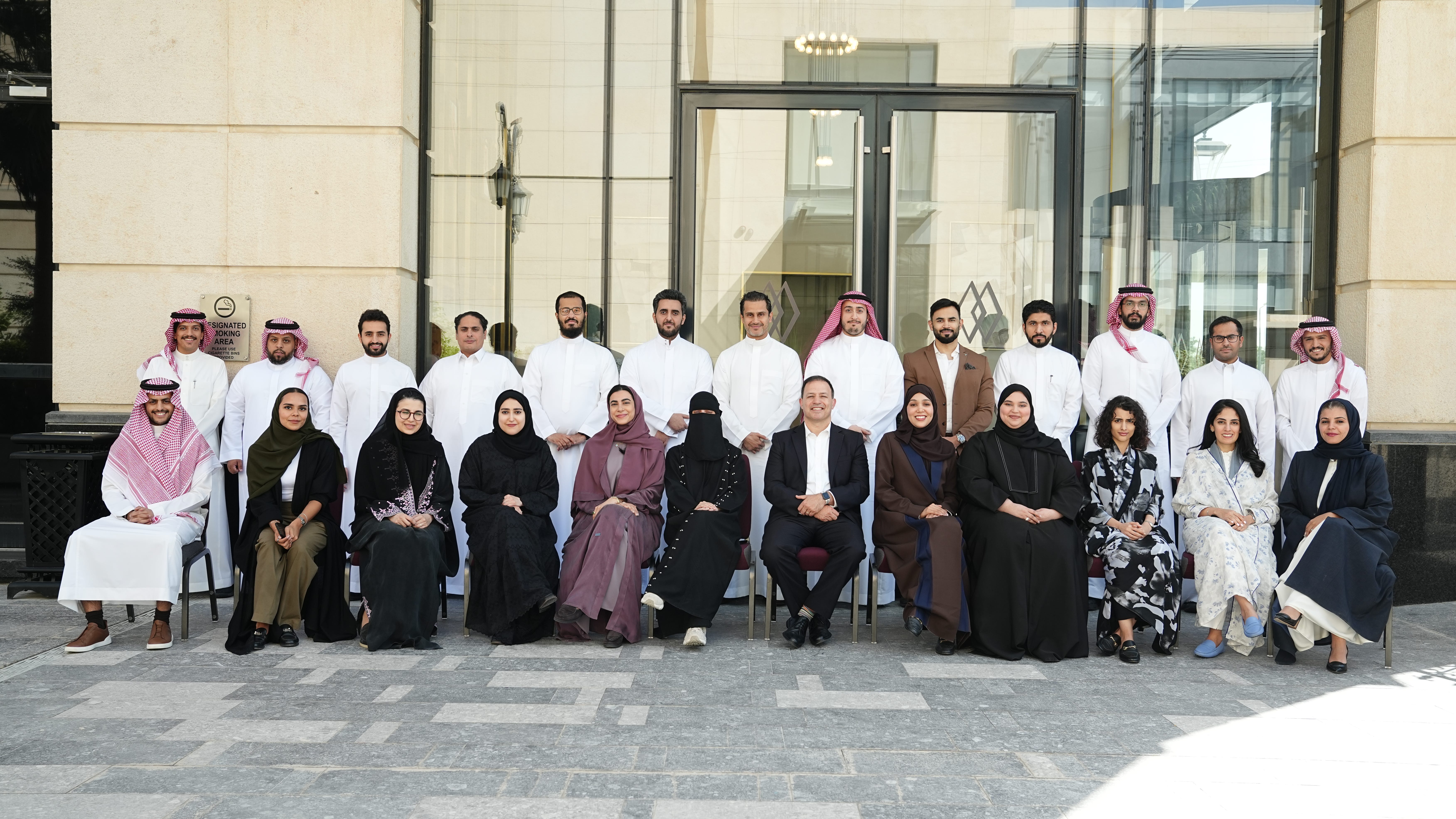
In November, I led a first-of-its-kind venture-backed company governance program in Riyadh, hosted by the Center for Governance and the Saudi Venture Capital Company. The discussions were thoughtful, participants brought valuable real-world insights, and the energy in the room made the experience especially rewarding. I look forward to returning in 2026!
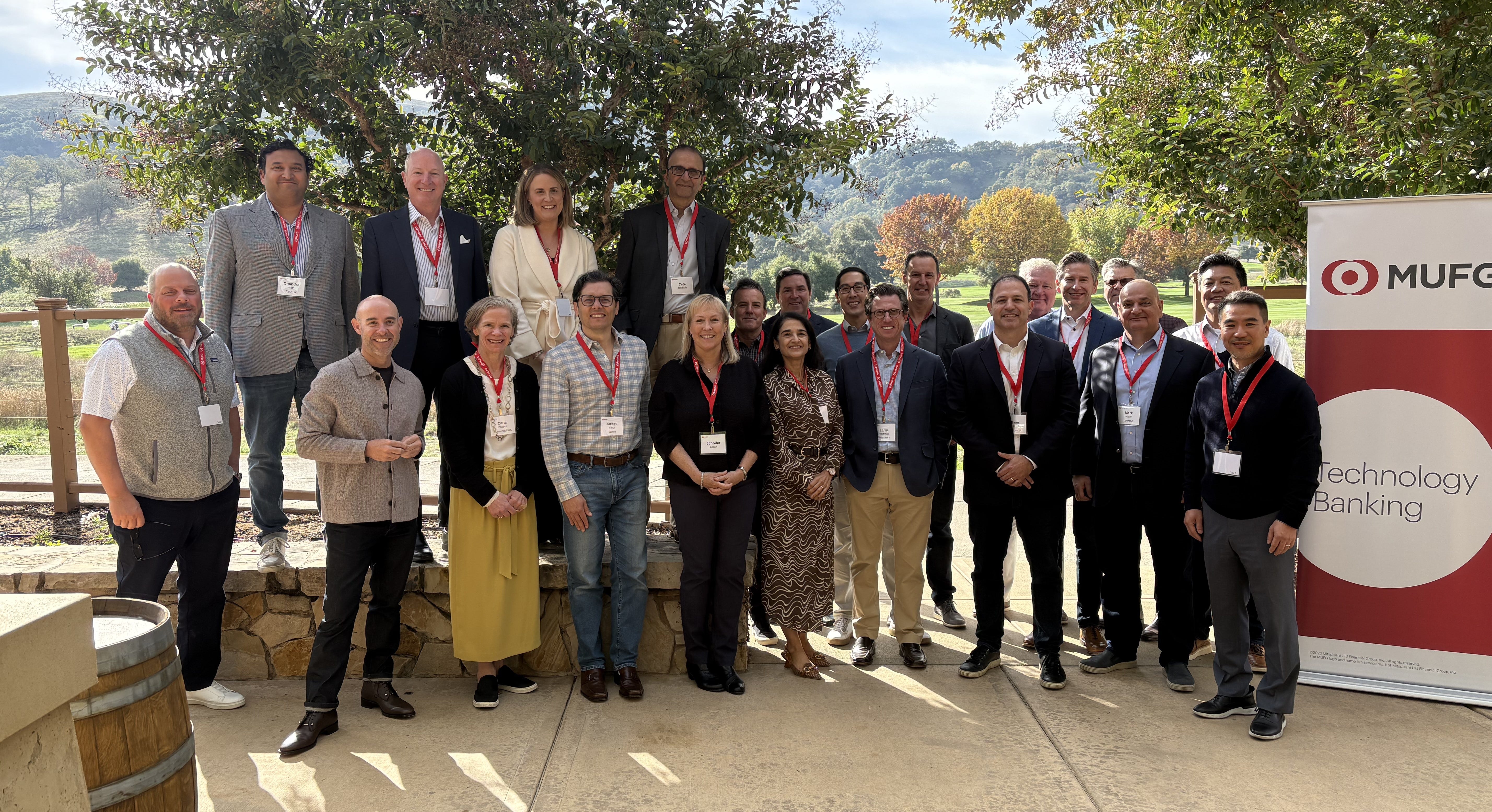
MUFG Technology Banking CFO to Director 2025 Program. I had the privilege of being invited to participate and co-host this program with approximately 15 leading CFOs from technology companies. The program took place at the beautiful CordeValle venue in San Martin, California, and focused on board preparation for both public and private companies.
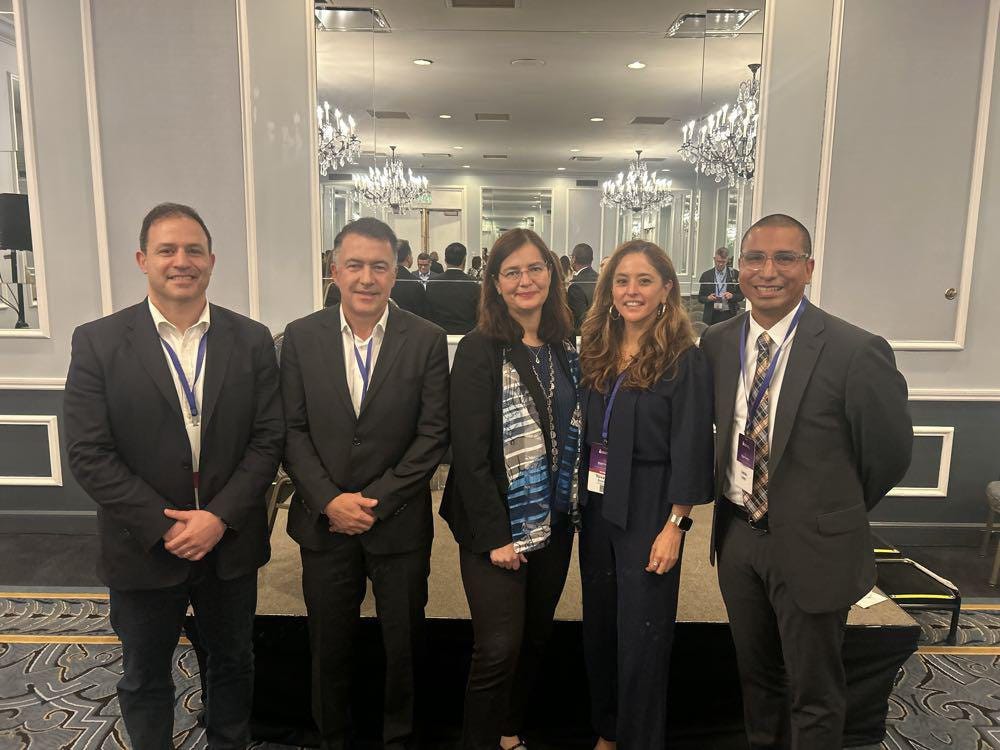
10th Annual Board Leaders Convening of the Latino Corporate Director Association. I participated in a panel discussion on private and public company governance trends at the Fairmont Hotel in San Francisco. I’ve served as LCDA faculty for several years and continue to be impressed by the organization’s growth.
4th Board Directors’ Summit Chile. I was honored to keynote this summit organized by Instituto de Directores de Chile (IdDC) last week. Speaking to nearly 600 of Chile’s leading directors and business leaders, I shared insights on innovation and growth from a Silicon Valley perspective. Chile continues to demonstrate its commitment to world-class corporate governance standards, and the energy in the room reflected the country’s ambition to lead innovation in Latin America. For those interested, you can read a summary of my presentation here (in Spanish).






Time 2025 Person of the Year. According to Polymarket, “Artificial Intelligence” is the most likely to be named Time’s 2025 “Person of the Year” (49%). Runner ups: Jensen Huang (21%), Pope Leo XIV (9%), Donald Trump (7%) and Sam Altman (6%).
She Took JPMorgan for $175 Million. That Doesn’t Include Her Restaurant Bills. This is wild: “All told, the bank has so far offered up about $115 million for Ms. Javice’s and Mr. Amar’s legal fees. If the bank fails to slow their spending down, the costs for the pair could approach the size of the fraud they committed.”
Brian Armstrong and Larry Fink: Crypto and Capital. Here’s an interesting conversation from yesterday between the CEO of Coinbase and the Chairman & CEO of BlackRock (now $13.5T of AUM).
Add “Neolab” to the modern lexicon:
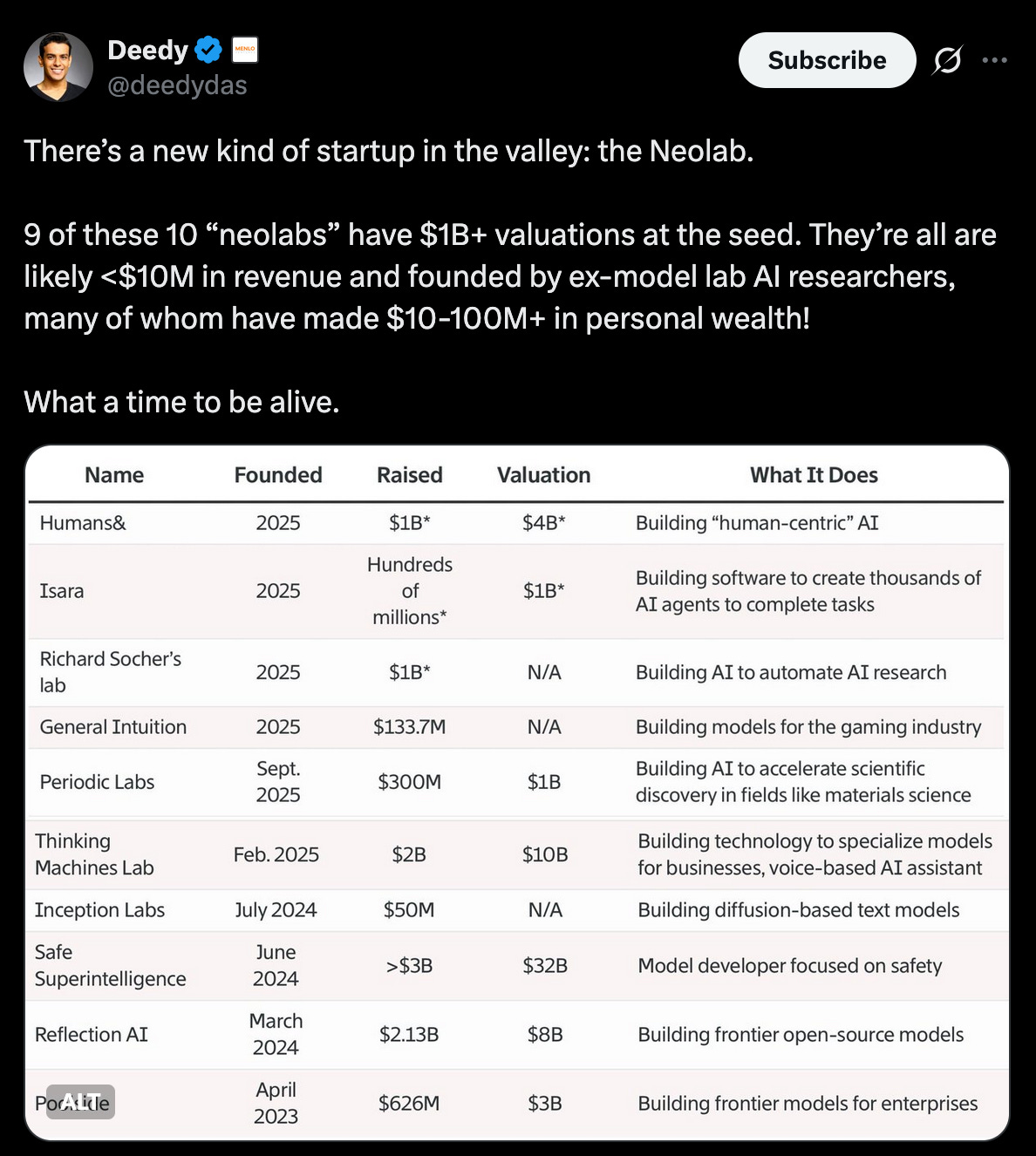
Mira Murati’s Thinking Machines seeks $50 billion valuation. “Thinking Machines Lab, the AI startup founded by former OpenAI executive Mira Murati, is in early talks to raise a new funding round at a roughly $50 billion valuation, Bloomberg News reported. The startup was last valued at $12 billion in July, after it raised about $2 billion.”
Why Coinbase Is Leaving Delaware for Texas. “We’re reincorporating in a state whose legal climate is far friendlier to business” wrote Paul Grewal, Chief Legal Officer at Coinbase. Here is a counter by Professor Brainbridge: “Coinbase is changing its state of incorporation so as to insulate Brian Armstrong from liability exposure. And note the implicit admission that they’re not 100% sure it will work. Weasel words like ‘generally’ and ‘a few cases’ suggest that they’re not certain how Texas ultimately will handle conflicted controller transactions.”
The Informed Board (December 2025). The Informed Board is Skadden’s publication on corporate governance and board oversight. The December 2025 edition features former Trump White House Chief of Staff Mick Mulvaney on government equity stakes in private companies, examines SEC proposals to eliminate quarterly reporting and potentially end securities class action lawsuits, warns about ignoring safety and compliance complaints from non-financial stakeholders, and offers tips for more effective board meetings.
Warren Buffett’s final Berkshire Hathaway shareholder letter. It offers some parting wisdom: “Keep in mind that the cleaning lady is as much a human being as the Chairman.”
Onward and upward.
Sincerely,
Evan Epstein
George Hammond, ‘Of course it’s a bubble’: AI start-up valuations soar in investor frenzy, available at https://www.ft.com/content/59baba74-c039-4fa7-9d63-b14f8b2bb9e2
SEC Press Release, SEC Charges Theranos Founder Elizabeth Holmes With Massive Fraud (Mar. 14, 2018) (quoting Jina Choi, Director of the SEC’s San Francisco Regional Office), available at https://www.sec.gov/newsroom/press-releases/2018-41